
Can HGH Cause Liver Problems? Understanding HGH Effects on the Liver
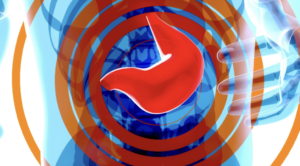
Over the last few years, taking synthetic human growth hormone has become super popular with both medical patients and bodybuilders. With the growing popularity of this drug, many topics for debate have emerged in society. For example, does HGH damage your liver? This is one of the pressing questions that interests those who are planning to undergo therapy.
The topic of HGH liver course is quite complex, as somatropin injections have a complex effect on the body. Moreover, each person may react to the substance differently. So, is HGH bad for your liver, or is it just another myth? Let us share some information about the benefits and harms of human growth hormone on the liver in this article!
How HGH Interacts With the Liver – The Science Explained
The liver interacts closely with human growth hormone. Upon administration to the liver, HGH stimulates the production of the insulin-like growth factor 1, the primary mediator of HGH effects on the liver. This IGF-1 signal helps repair tissues, support cell development, and maintain normal glucose metabolism in various organs, not just in the liver itself.
The liver of a healthy individual works hard enough to regenerate cells, release stored fat, and enhance the body’s storage of carbohydrates and lipids. It helps to produce energy during rest and exercise. It also acts as an indirect aid in the process of detoxification by keeping the blood circulation healthy and delivering nutrients.
Clinical evidence demonstrates that physiological replacement of HGH that is medically supervised is usually not harmful to the liver. It has the potential to normalize metabolic functioning in patients with actual growth hormone deficiency, decrease the risk of fatty liver, and promote long-term cardiometabolic well-being under the close supervision of a skilled physician and adjusted to the regular lab outcomes.
Does HGH Raise Liver Enzymes?
Patients on growth hormone may occasionally report slight alterations in regular blood tests, and will query, does HGH raise liver enzymes? Research indicates that a minor, transient increase in ALT and AST is expected after HGH therapy as the liver adjusts to increased rates of fat and sugar metabolism. These changes in most instances remain within or close to the normal range and do not indicate real liver cell damage. A constant or marked increase in enzyme levels, however, must always be followed by medical attention to rule out other liver issues.
Can HGH Cause Liver Damage? Myths vs Medical Evidence
The question that many raise is: does HGH damage your liver? The present state of medical knowledge in adults with established growth hormone deficiency demonstrates that the prescription dosage of HGH does not negatively impact liver cells or develop chronic liver disease. As a matter of fact, it tends to enhance metabolic parameters associated with liver health.
The real issue is presented in the non-medical application. High doses combined with anabolic steroids or other hepatotoxic medications, or the administration of HGH in individuals with already known liver disease, can increase the risks. It is the reason why it is emphasized in guidelines that you should screen cautiously, use special dosing, and have frequent monitoring instead of thinking that it is HGH bad for your liver in all cases.
HGH and Liver Cirrhosis – What Research Shows
Some Internet users often associate HGH and liver cirrhosis. However, you should only trust qualified specialists. Therefore, we suggest looking at what studies say about the reasons for liver cirrhosis and whether human growth hormone therapy is among them. A course of this hormone does not cause cirrhosis. On the contrary, it is often used as an experimental therapy for this disease.
Does HGH Help or Repair Liver Damage? Exploring Potential Benefits
Scientists are even in the process of understanding the positive effects. For example, can HGH repair liver damage in some metabolic liver diseases, or not? Clinical trials of non-alcoholic fatty liver disease have observed that growth hormone and IGF-1 signaling are associated with less liver fat, enhanced triglyceride metabolism, and enhanced insulin sensitivity. It suggests potential HGH liver repair effects in carefully selected patients.
Nonetheless, it is not a self-administered therapy. Any HGH therapy in liver disease should be supported by a detailed endocrinology or hepatology approach, containing imaging, laboratory, and objective intentions. Initial data have shown does HGH help liver function in certain cases of deficiency.
When Can HGH Improve Liver Function?
So, when does HGH help liver function in a meaningful, clinically proven way? Mostly in the cases where the patient actually has growth hormone deficiency and correlated metabolic syndrome, and where the normal levels of hormones can be restored to reduce the visceral fat, to improve the lipid profiles, and indirectly support the liver condition and enzyme balance in clinical trials. Conversely, healthy athletes or individuals using the gym with normal levels of HGH do not experience any liver advantage with the addition of the hormone.
Who Should Avoid HGH Due to Liver Concerns?
Actually, there can be negative HGH effects on the liver. However, they don’t just happen out of nowhere. There’s always a good reason. One reason could be if someone is getting treatment even though they’re not supposed to. So, here’s who should avoid HGH liver therapy:
- People with various liver diseases (including alcoholic liver disease).
- Patients suffering from hepatitis.
- Individuals with confirmed diabetes mellitus (of any type).
What should you do if you have started therapy and find yourself in at least one of the situations listed above? Consult your doctor and discuss this. Also, don’t forget to have your ALT/AST levels checked to monitor your liver function.
Can HGH Cause Liver Problems?
As you may have already realized, considering the question “does HGH damage your liver” must be comprehensive. The impact of synthetic human growth hormone injections is enormous, as it affects metabolism, hormonal balance, and much more. At the recommended doses, you can experience positive HGH effects on the liver. As a rule, such therapy does not harm the liver.
However, if you are not following the treatment correctly, ignoring recommendations, or exceeding the dosage, the reactions may vary. That is why the best solution is to consult a doctor and avoid self-medication.
